
Is Your Septic Tank Full? Warning Signs Austin Homeowners Shouldn’t Ignore
Top Signs Your Septic Tank Is Full: A Detailed Guide for Austin Homeowners
Your septic system is one of those things you rarely think about—until something feels off. Maybe your shower is draining a little slower than usual, or there’s a strange smell you can’t quite place. It’s easy to brush these things off and hope they’ll go away, but when it comes to your septic tank, small signs can mean big problems if they’re ignored.
For many Austin homeowners, septic systems are a normal part of everyday life, especially in rural and growing areas around Central Texas. Understanding the early warning signs of a full septic tank can help you avoid messy backups, costly repairs, and unnecessary stress. Let’s walk through what your system might be trying to tell you—and when it’s time to call in a professional.
How a Septic Tank Works (and Why It Fills Up)
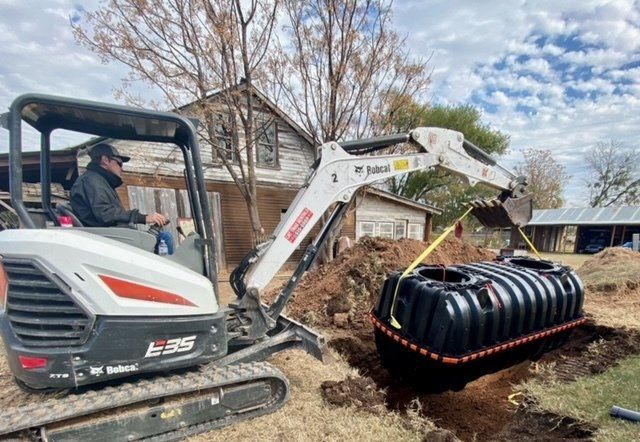
Before diving into the warning signs, it helps to understand the basics. Your septic tank collects wastewater from your home. Solid waste settles at the bottom, forming sludge, while oils and grease float to the top as scum. Liquid wastewater flows out into the drain field, where it’s filtered naturally through the soil. Over time, the sludge and scum build up. If the tank isn’t pumped regularly, there’s less room for wastewater to flow properly—leading to backups, odors, and drain field problems.
Slow Drains Throughout the Home
One of the earliest and most common signs of a full septic tank is slow drains in multiple areas of the house.
You may notice:
- Toilets flushing slower than usual
- Water pooling in showers or tubs
- Sinks that take longer to drain
While a single slow drain can be a minor plumbing issue, slow drains throughout the house often point to a septic problem. When the tank is full, wastewater struggles to move through the system, causing everything to slow down. This is your septic system’s way of telling you it’s reaching its limit.
Sewage Odors That Don’t Go Away
Persistent sewage smells are a clear warning sign. These odors may come from:
- Bathroom drains
- Kitchen sinks
- Laundry areas
- Outside near the septic tank or drain field
In Austin’s warm climate, septic odors can become more noticeable and spread quickly. These smells usually indicate gases escaping from a full tank or a drain field that isn’t processing wastewater properly.
If you’re noticing odors consistently—not just once—it’s time to schedule an inspection.
Pooling Water or Soggy Soil in the Yard
Standing water in your yard is never a good sign, especially when it appears near your septic tank or drain field.
This often looks like:
- Puddles that don’t dry up
- Muddy or spongy ground
- Wet areas even during dry weather
When a septic tank becomes full, wastewater can no longer move efficiently into the drain field. Instead, it rises toward the surface, causing pooling water and saturated soil.
This issue can worsen quickly if left unaddressed.
Unusually Green or Fast-Growing Grass
Many homeowners are surprised to learn that lush green patches of grass can signal a septic issue.
When wastewater leaks into the soil, it releases nutrients that act like fertilizer. This causes grass above the septic tank or drain field to grow faster and appear greener than the surrounding lawn. If one area of your yard looks noticeably healthier than the rest—especially if it’s paired with damp soil—it’s worth having your septic system checked.
Gurgling or Bubbling Sounds in Pipes
Gurgling sounds coming from toilets, sinks, or drains are often an early warning sign of septic trouble. These noises occur when air becomes trapped in the plumbing system due to restricted wastewater flow. A full septic tank can prevent water from moving freely, causing air to bubble back through your pipes. While this may seem minor at first, it often leads to more serious issues if ignored.
Sewage Backups Inside the Home (Emergency)
Sewage backing up into your home is the most severe sign of a full septic tank—and it requires immediate attention.
This can include:
- Toilets overflowing
- Sewage in tubs or showers
- Wastewater backing up into sinks
At this point, the system has failed to move wastewater safely away from your home. This creates health hazards and can cause significant damage to flooring, walls, and plumbing. If this happens, stop using water immediately and call a professional septic service right away.
Why Septic Issues Are Common in the Austin Area
Austin-area septic systems face unique challenges, including:
- Clay-heavy soils that drain slowly
- Older septic systems are not designed for modern water usage
- Heavy rains followed by long dry periods
- Increased household water demand
These factors make routine septic maintenance especially important for Central Texas homeowners.
How Often Should You Pump Your Septic Tank?
Most septic tanks should be pumped every 3 to 5 years, but this can vary depending on:
- Household size
- Water usage habits
- Tank size
- System age
If you’re unsure when your tank was last pumped, or if you’re experiencing any warning signs, it’s best to schedule service sooner rather than later.
The Cost of Waiting Too Long
Delaying septic maintenance can lead to:
- Drain field failure
- Costly repairs or system replacement
- Health risks
- Property damage
Routine pumping and inspections are far more affordable than emergency repairs or full system replacements.
Schedule Septic Service in Austin & Surrounding Areas
If you’re noticing any signs your septic tank may be full—or you simply want peace of mind—professional service can help prevent bigger problems down the road.
Our team proudly serves Austin and surrounding communities with septic inspections, pumping, and emergency services.
Contact us today to schedule your septic service and keep your system working the way it should.